[Preface]
Kyushu - Japan's third-largest island, where ancient traditions meet modern innovation, where volcanic landscapes create dramatic scenery, and where hot springs offer the ultimate relaxation. This 8-day journey took us through Kyushu's highlights: from Osaka's urban energy to Kumamoto's historic castle, from the volcanic wonders of Mount Aso to the hot spring paradise of Beppu, and finally to the coastal beauty of Izu Peninsula.
[Trip Overview]
Duration: 8 days
Route: Osaka → Kumamoto → Mount Aso → Beppu → Fukuoka → Tokyo → Izu Peninsula
Travel Season: Late October (perfect autumn weather)
Transportation: JR Kyushu Pass, local trains, and rental car
Total Cost: Approximately 15,000 CNY per person
[Transportation Guide]
JR Kyushu Pass
We purchased the 3-day Northern Kyushu JR Pass for 8,500 JPY per person. This pass covers most JR trains in northern Kyushu, including the famous scenic trains like the Aso Boy and the Yufuin no Mori. The pass must be purchased before arriving in Japan and exchanged at major JR stations.
Scenic Train Reservations
Several scenic trains require advance reservations:
Aso Boy: A family-friendly train with panoramic windows and a children's play area
Yufuin no Mori: A luxury resort train connecting Hakata and Yufuin
Seven Stars: Kyushu's most luxurious cruise train (expensive but unforgettable)
Local Transportation
Kumamoto City Tram: Convenient for city sightseeing, not covered by JR Pass
Aso Area Buses: Santō Bus operates routes to major attractions around Mount Aso
Itō City Buses: Local buses connect Itō Station with attractions like Mount Ōmuro
Shizuoka Buses: For exploring the Izu Peninsula, consider purchasing day passes
[Accommodation]
Osaka: Cross Hotel Osaka
Located in the heart of Dotonbori, perfect for exploring Osaka's food scene and nightlife. Modern rooms with excellent amenities and helpful staff.
Kumamoto: Hotel Nikko Kumamoto
Conveniently located near Kumamoto Castle and the city center. Traditional Japanese-style rooms available with tatami floors and futon beds.
Beppu: Kankaiji Onsen Kannawaen
A traditional ryokan with multiple hot spring baths. The kaiseki dinner featuring local specialties was exceptional. Private onsen baths available for reservation.
Fukuoka: Hotel Okura Fukuoka
Modern hotel in the Hakata district, close to shopping areas and transportation. Excellent breakfast buffet with both Japanese and Western options.
Tokyo: Park Hotel Tokyo
Art-themed hotel in Shiodome, each floor features different artistic themes. Convenient location for exploring Tokyo and accessing transportation.
Izu: Atami Sekitei
Luxury ryokan with ocean views, private hot spring baths, and exceptional kaiseki cuisine. The perfect place to end our Kyushu journey with traditional Japanese hospitality.
[Day-by-Day Itinerary]
Day 1: Osaka Arrival
Arrived at Kansai International Airport and took the train to Osaka. Checked into our hotel in Namba and immediately headed to Dotonbori for our first taste of Osaka's famous street food. Tried takoyaki (octopus balls), okonomiyaki (savory pancake), and kushikatsu (fried skewers). The neon lights and bustling atmosphere were overwhelming in the best way.
Day 2: Osaka to Kumamoto
Took the early morning Shinkansen from Osaka to Kumamoto (about 3.5 hours). After checking into our hotel, we explored Kumamoto Castle, one of Japan's most impressive castles. The castle's reconstruction after the 2016 earthquakes was remarkable. We also visited Suizenji Garden, a beautiful traditional Japanese garden. In the evening, we tried Kumamoto's famous ramen - rich tonkotsu broth with thin noodles.
Day 3: Mount Aso Adventure
Rented a car for the day to explore Mount Aso area. The volcanic landscape was otherworldly - we could see steam rising from the active crater. Unfortunately, the Nakadake crater was closed due to volcanic activity, but we hiked around the outer rim and visited the Aso Volcano Museum. The drive through Aso caldera offered spectacular views of the grasslands and volcanic peaks. We also stopped at Kusasenri plateau, where horses graze freely against the backdrop of volcanic peaks.
Day 4: Beppu Hot Springs
Took the train to Beppu, Japan's most famous hot spring resort town. We explored the "Hells of Beppu" - seven spectacular hot springs for viewing rather than bathing. Each had unique characteristics: the blue waters of Umi Jigoku (Sea Hell), the red waters of Chinoike Jigoku (Blood Pond Hell), and the bubbling mud pools of Oniishibozu Jigoku. In the evening, we enjoyed multiple hot spring baths at our ryokan, each with different mineral compositions and health benefits.
Day 5: Fukuoka City
Morning train to Fukuoka, Kyushu's largest city. We explored Ohori Park and the nearby Fukuoka Art Museum. The afternoon was dedicated to shopping in the Tenjin district and trying Fukuoka's famous tonkotsu ramen at Ichiran Ramen. In the evening, we visited the yatai (food stalls) along the Naka River - these mobile food stalls are a Fukuoka institution, serving everything from ramen to yakitori to oden.
Day 6: Tokyo Transition
Took the Shinkansen to Tokyo (about 5 hours). After checking into our hotel, we explored the Shibuya district - crossed the famous Shibuya crossing, visited Hachiko statue, and experienced Tokyo's energy. The contrast between Kyushu's relaxed pace and Tokyo's intensity was striking.
Day 7: Izu Peninsula
Took the train to Atami, then local transportation to explore the Izu Peninsula. Visited Mount Ōmuro, an extinct volcano with a perfectly shaped crater that we circled by chairlift. The views of Sagami Bay and Mount Fuji on clear days were spectacular. We also explored the Jogasaki Coast with its suspension bridge offering dramatic ocean views. The area is famous for its hot springs, so we enjoyed another onsen experience.
Day 8: Return Journey
Our final day was spent traveling back to Tokyo for our flight home. We made a quick stop in Yokohama for some last-minute shopping and enjoyed a final Japanese meal before heading to Narita Airport.
[Scenic Highlights]
Kumamoto Castle
One of Japan's most impressive castles, recently reconstructed after earthquake damage. The castle grounds are extensive, and the main keep offers panoramic views of the city. The night illumination is particularly beautiful.
Mount Aso
Japan's largest active volcano, featuring one of the world's largest calderas. The volcanic landscape is constantly changing, and when conditions allow, you can peer into the active crater. The surrounding grasslands offer excellent hiking opportunities.
Beppu Hot Springs
With over 2,800 hot spring sources, Beppu is one of Japan's premier onsen destinations. The "Hells" tour showcases the most spectacular hot springs, while the numerous public baths offer authentic Japanese bathing experiences.
Mount Ōmuro
This perfectly cone-shaped extinct volcano offers 360-degree views from its crater rim. The chairlift ride provides spectacular vistas of the Izu Peninsula, Sagami Bay, and on clear days, Mount Fuji.
Jogasaki Coast
This dramatic coastline features the Kadowaki Suspension Bridge offering thrilling views of the Pacific Ocean. The area is also famous for its hot springs and hiking trails through coastal forests.
[Cultural Experiences]
Onsen Culture
We experienced authentic Japanese hot spring bathing at traditional ryokans. The ritual of washing before entering the baths, the different types of mineral waters, and the relaxation benefits made this a highlight of our trip.
Ryokan Stay
Staying in traditional Japanese inns with tatami floors, futon beds, and kaiseki dinners provided insight into Japanese hospitality and attention to detail. The multi-course meals featuring seasonal local ingredients were exceptional.
Food Culture
Each region offered unique specialties: Kumamoto's rich tonkotsu ramen, Beppu's jigoku-mushi (hell-steamed cuisine), and Fukuoka's famous tonkotsu ramen at yatai food stalls.
[Practical Information]
Best Time to Visit
Late October offered perfect weather - warm days, cool evenings, and beautiful autumn colors. The crowds were manageable, and all attractions were open. Spring (March-May) is also excellent for cherry blossoms.
Language
While English is spoken in major tourist areas, having a translation app is helpful, especially for older service staff who may only speak Japanese. Younger people generally speak some English, though with strong accents.
Currency and Payments
Japan is still largely cash-based, though credit cards are increasingly accepted. IC cards (like Suica) work for transportation and many vending machines. ATMs are available at convenience stores and post offices.
Useful Apps
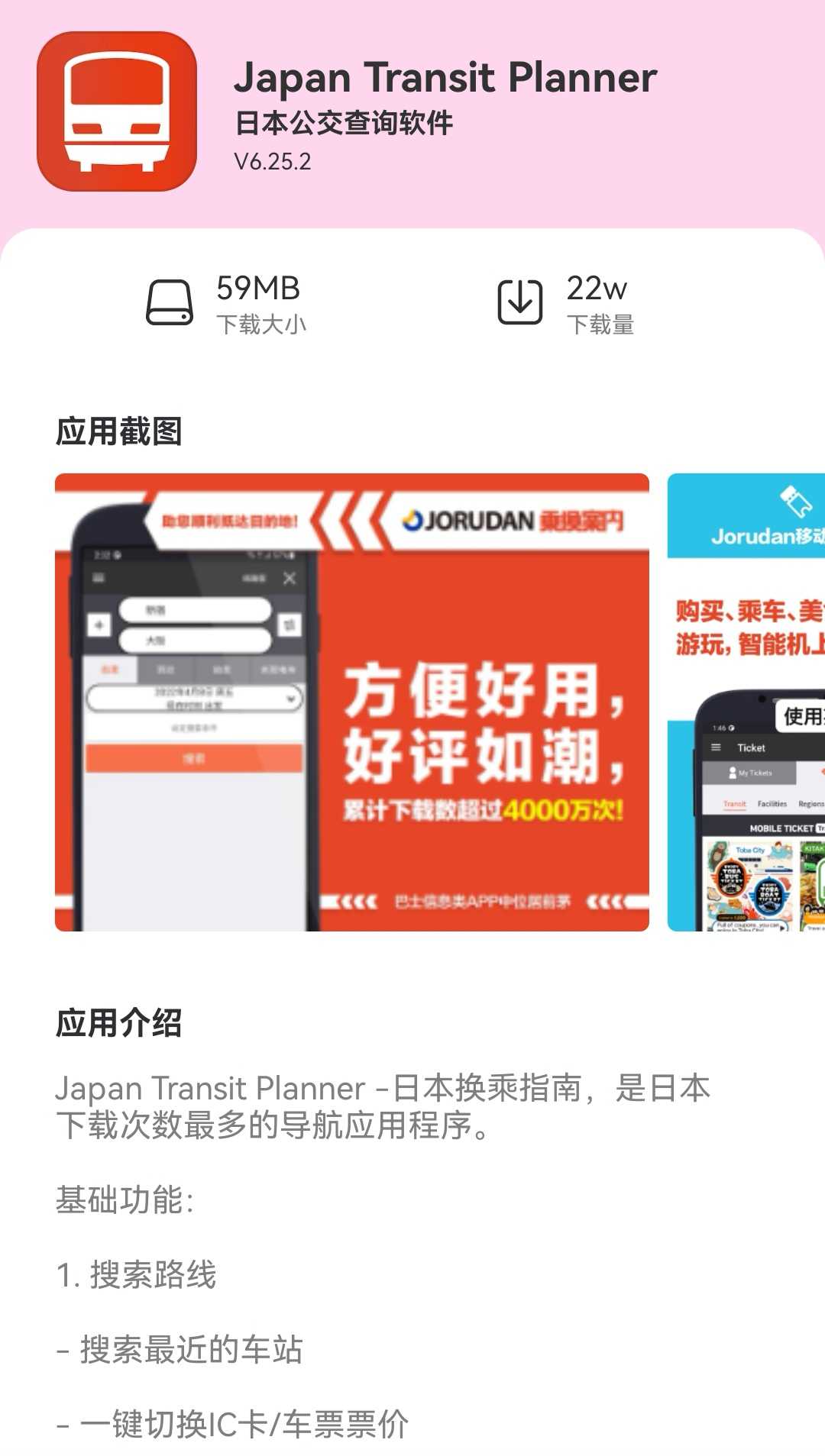
Hyperdia: Essential for train schedules and route planning
Google Translate: Camera function helps with menus and signs
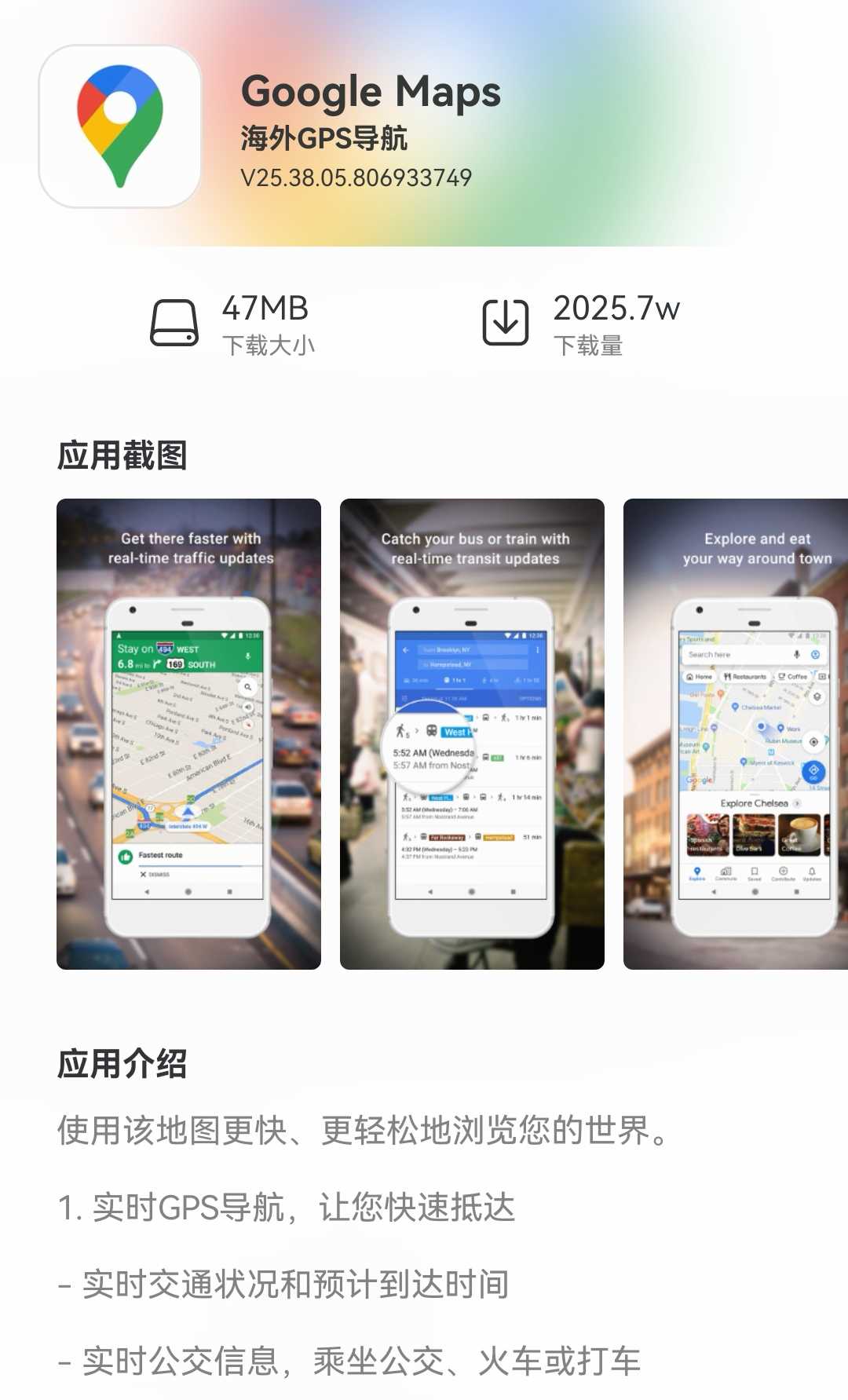
Google Maps: Excellent for navigation and finding restaurants